
The Thought and Its Supply of Reasons
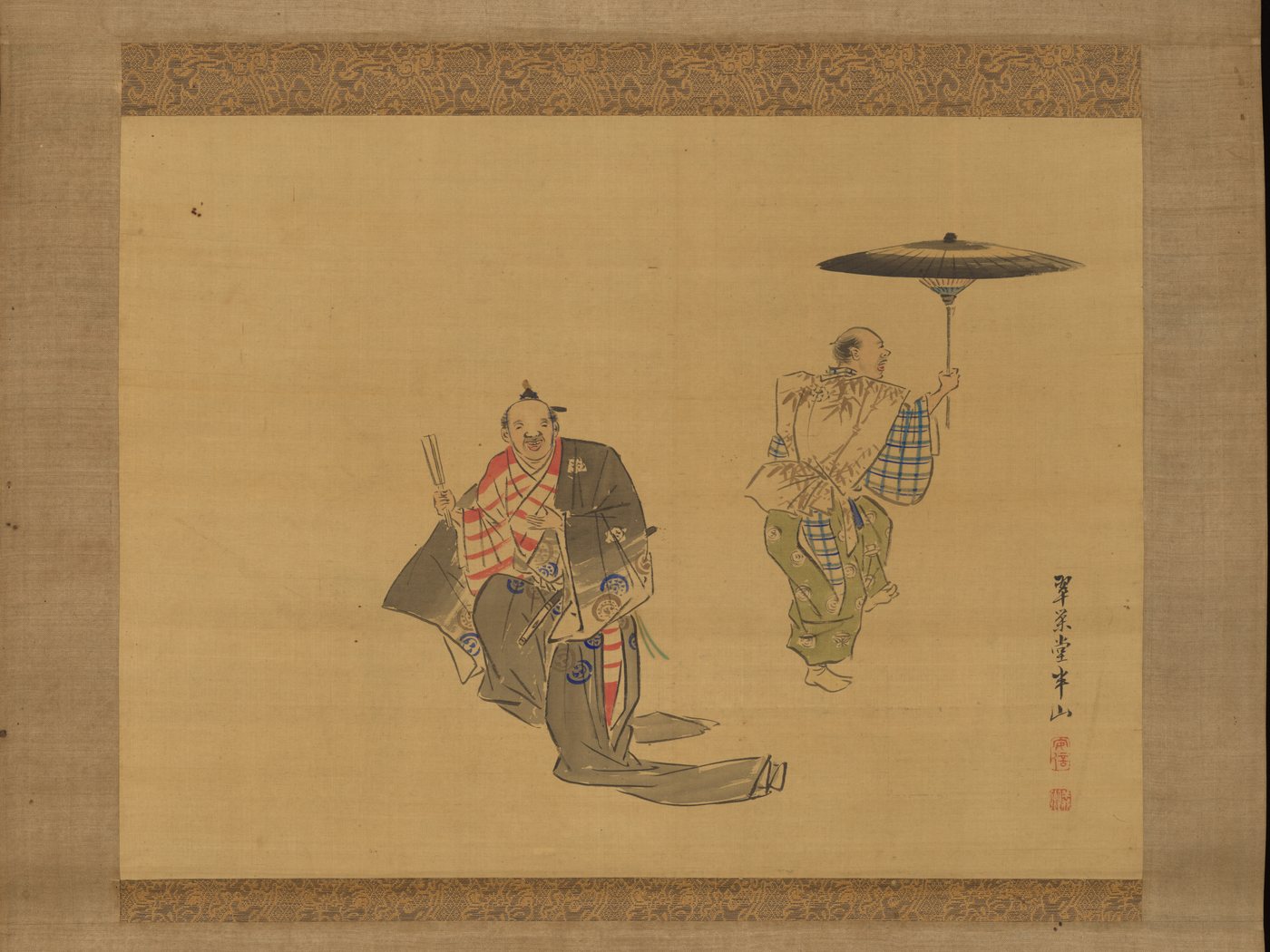
A thought announces a plan: I will do it today. At once a second voice arrives with excellent reasons. An hour later the first thought turns around: no, I will not. The second voice arrives again, with equally excellent reasons for the opposite. KTT counts both as thoughts, noticed or not, even when they arrive as the same restlessness twice. A Mesopotamian text, perhaps three thousand years old, sets this out as a comedy between a master and his slave. The sources read for this article are editions, encyclopedias and essays. They describe the text, and none of them reports on what the people who first heard it thought.
The text
The Dialogue of Pessimism is written in Akkadian in ten short strophes. The first line is: “Slave, listen to me.” The slave answers: “Here I am, sir, here I am.” In each strophe, the master announces an intention, such as riding out, or dining, or doing a public service. The slave praises it and gives reasons. Then the master says he has reversed himself. The slave praises that too, in no less glowing terms, with fresh reasons.
A ready supply of reasons
The slave is never stuck. Whatever the master wants, he finds a proverb for it, and when the master wants the opposite, he finds another. The text can be read as a comic portrait of a boss and his valet. Some modern readers also treat it as a picture of one person arguing with themselves, in which the reasons arrive to support whichever wish has just appeared. That second reading is a modern essayist’s and KTT’s. It is not the scholarly view of the text.
What scholars say
The eBL edition notes that scholars largely treat the poem as semi-serious or as satire of the relation between master and slave. It survives in three manuscripts from Assur, two fragments from Nineveh and one Babylonian piece, and the Babylonian version differs from the Assyrian ones. The date of composition is unknown. The distribution of manuscripts suggests the second half of the second millennium BCE, and the earliest copies are around 1000 BCE. Wilfred Lambert edited it in 1960. The last strophe turns very dark, and it is left aside here.
What is not known
Whether the text was meant as satire, as philosophy or as both is not known.
Whether its first audiences read the slave as a thought of the master’s own is not known either. The text does not say so.
How much of the poem is lost is also open. A large new tablet from Assur with further passages is said to be in preparation.