
The Inner Head
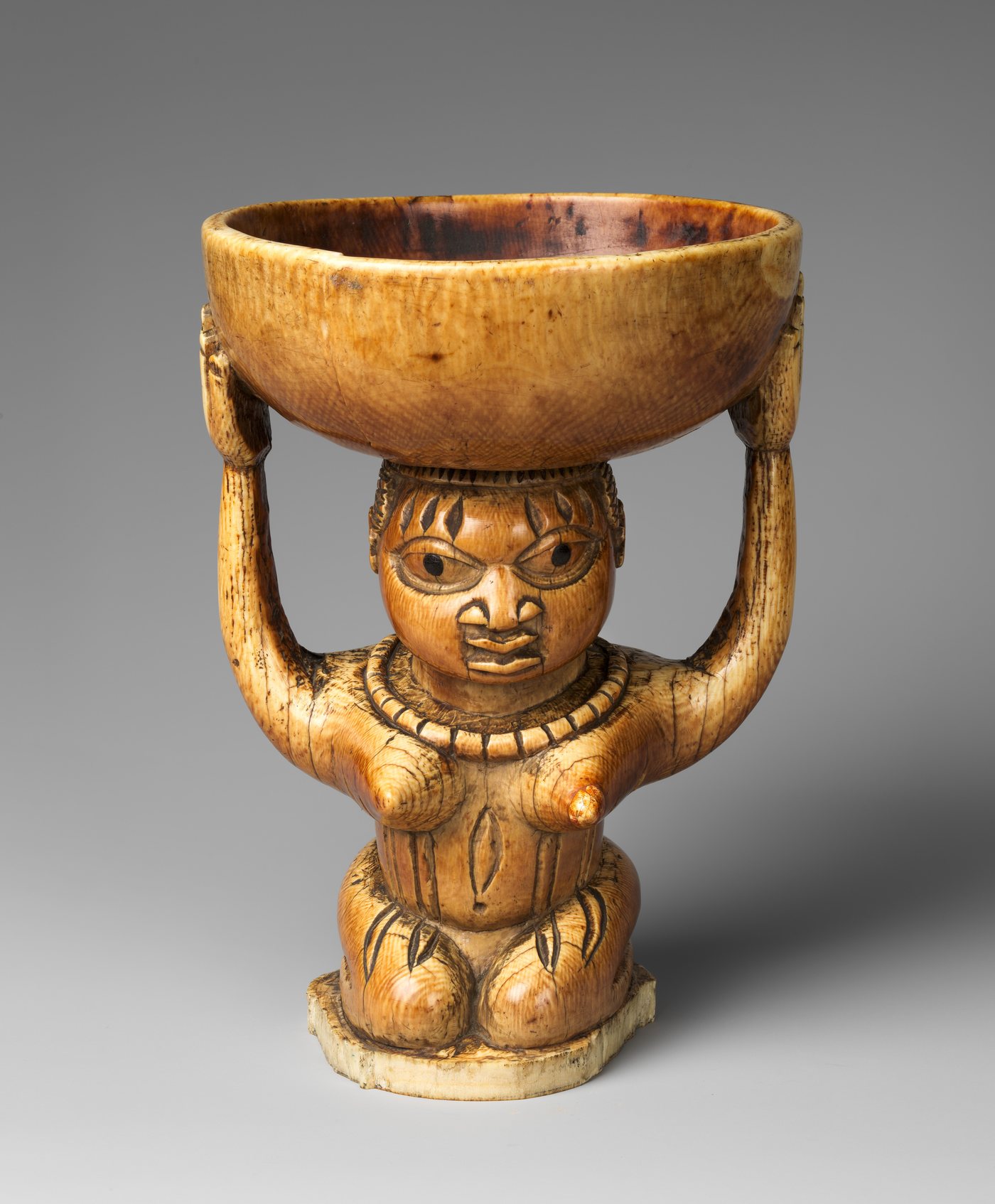
A thought says: I was meant for something else. It does not say what. It only says that the life being lived is not quite the one that was meant. KTT counts that thought as a thought, noticed or not, even when it arrives as a low, steady dissatisfaction. In Yoruba thought, the question behind it has a name and an address. It is orí, the head. The sources read for this article are philosophical papers, encyclopedia entries and a few teaching websites. They describe a tradition, and none of them tested how it feels to hold it.
Two heads
The Yoruba word orí means head. Scholars describe two: the physical head, orí-òde, and the inner head, orí-inú. The inner head is the bearer of a person’s destiny and a determinant of personality, in the words of the philosopher Segun Gbadegesin. A person, ènìyàn, is described as made of the body (ara), the life-giving element (ẹ̀mí) and the inner head. A Yoruba prayer asks that the inner head not spoil the outer one.
A choice made before birth
According to the tradition, each person chooses a destiny, àyànmọ̀, before coming into the world, kneeling before the Creator. In many accounts the choice is made in the house of Ajala, a figure often called the potter of heads. Scholars note that the choice is not the end. The destiny still has to be lived, through character and action, and rites exist to repair a destiny that has gone wrong. Whether this leaves room for choice is debated. One paper describes the Yoruba view as a soft determinism.
A way of asking
For questions about destiny, people consult Ifá, an oral corpus of verses, the odù, believed to have been revealed by the deity Ọrúnmìlà. There are 256 odù. A diviner casts a sign and recites the verses that go with it, and the person interprets them. The oldest part of this is an oral practice. No one has dated it.
What it makes of the thought
The thought “I was meant for something else” would be, in this tradition, a thought about the inner head. It would ask whether the head has been honored, and whether the destiny chosen is the one being lived. That is KTT’s reading of the tradition. The sources do not describe such a thought.
What is not known
How old the idea of orí is cannot be told. The oral tradition has no fixed date, and many written accounts are modern.
Whether people who hold this view experience a thought like the one above is not known. The sources are by philosophers and teachers, and do not report experience.
Whether the Yoruba view allows a person to change a destiny is open, and scholars disagree.