
The Question Augustine Became
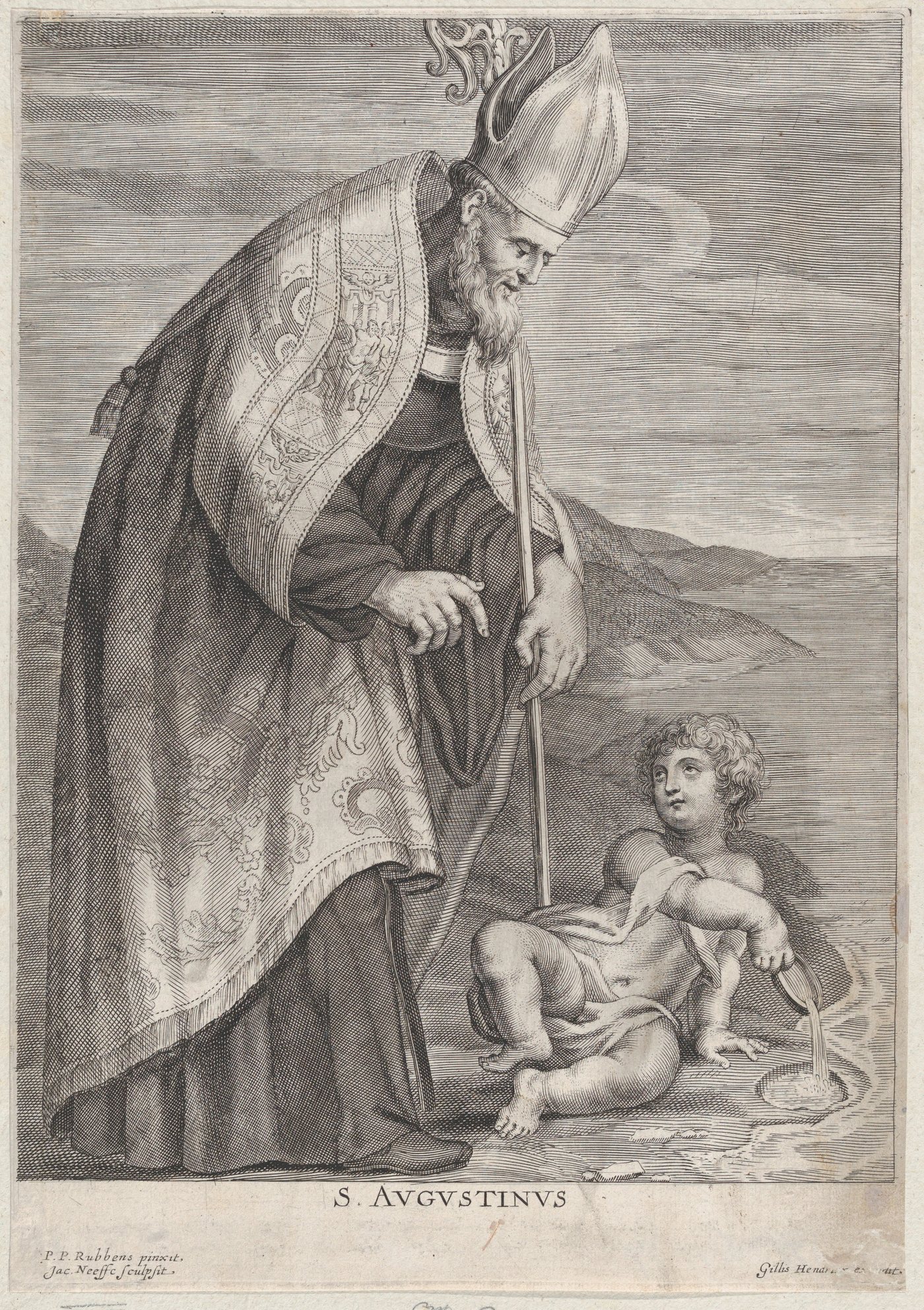
A person looks for the answer in the street, in other people, in the news, and comes back with nothing. Then a thought says: look in here. KTT counts that turn as a thought, noticed or not, even when it arrives as tiredness with looking elsewhere. Augustine of Hippo, born in 354 in Thagaste, a small town in Roman North Africa and now Souk Ahras in Algeria, wrote one of the oldest records of a person doing it. The sources read for this article are quotations, translations and essays. None of them tested what turning inward does, and Augustine’s own aim was religious.
The instruction
In On True Religion (39, 72), Augustine writes, in Latin: noli foras ire, in teipsum redi. One English version is “do not go outside, return into yourself.” The sentence continues: in the inner man dwells truth. It ends: “if you find your nature changeable, transcend yourself too.” For Augustine, the truth he found within pointed beyond the person to God. A reader who borrows the sentence without that aim is using it in a new way.
The question
In the Confessions, Augustine says of himself: mihi quaestio factus sum, “I have become a question to myself” (Book 10, chapter 33). An earlier moment is often linked to it. After the death of a friend in Thagaste, he writes, he had become a great question to himself. The friend’s death had shaken what he had thought of himself.
The first answer to “look inward” is not a result. It is a question.
What he looked at
Book 10 of the Confessions turns on memory. A summary of the book says that Augustine examines his own acts, thoughts and affections there. The inner man is where thoughts report to each other. He describes the senses as messengers that bring news from outside to an inner judge.
What is not known
Whether looking inward gave Augustine knowledge of himself, or only a better question, is not known. The sources record what he said about the turn. They do not measure it.
What “inner man” meant to Augustine’s first readers, as against later readers, is not settled.
Whether the question “who am I” feels the same to someone who does not share his aim is also open. The sentence has often been used without it.