
The First Stirring
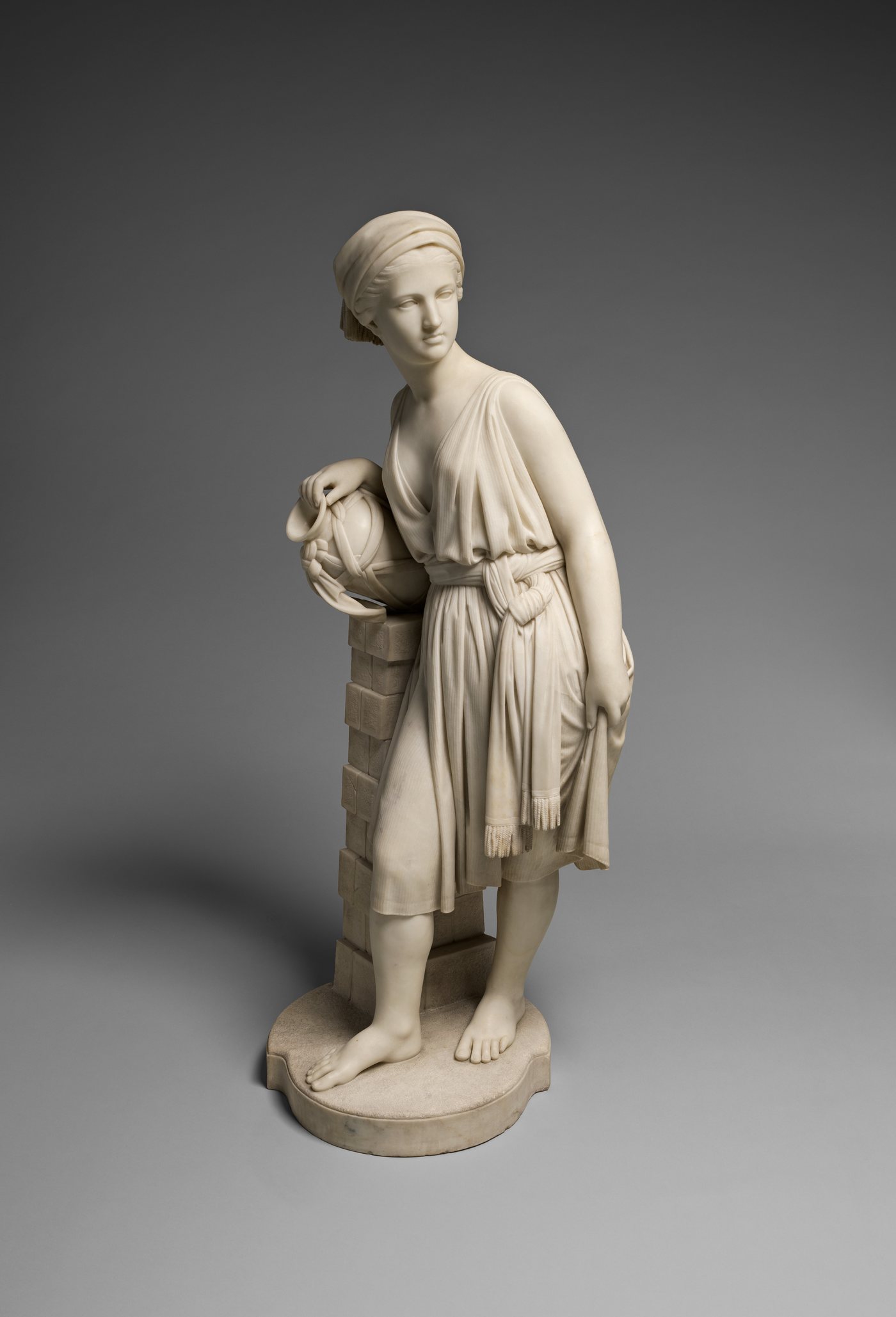
A child is crawling toward the edge of a well. Before there is time to weigh anything, a thought has already arrived: alarm, and a pull toward the child. KTT counts that first reaction as a thought, noticed or not, even when it arrives as a jolt in the body. A Chinese thinker of the fourth century BCE built an argument on it, and a philosopher of the sixteenth century built another. The sources read for this article are encyclopedias and translations. None of them tested whether people react this way, and both thinkers were describing, not measuring.
The first reaction
Mengzi, or Mencius (372 to 289 BCE), asks his reader to suppose someone suddenly saw a child about to fall into a well. Anyone would feel alarm and compassion, he says, and not because they wanted to win favor with the parents, or praise from the neighbors, or relief from the child’s cries. He calls such feelings sprouts. A sprout is a small beginning that can grow with care and can be cut off without it. A commentary notes that Mengzi does not say the person saves the child. The feeling is the beginning of benevolence and not the whole of it.
No gap between knowing and doing
Wang Yangming (1472 to 1529) took the example and went further. He taught the unity of knowing and acting. “Knowledge is the beginning of action and action is the completion of knowledge,” he said. In another passage he says that those who “know” and do not act simply do not yet know. A modern reading takes this as a denial that a person can fully know the good and fail to do it.
For Wang, the example shows that the first stirring is already part of an act. A thought that arrives with alarm is the start of the deed, and not a bystander to it.
What it asks of a person
Both writers point to the same place to look: the first thing that stirs, before the reasons arrive. The thought that came before the explanation is the one they treat as telling. That reading is KTT’s, and neither writer put it this way.
What is not known
Whether everyone has the first reaction Mengzi describes is not known. He presents it as obvious, and no study in these sources tests it.
Whether the first thought is always a reliable guide is open. Mengzi himself says the sprouts must be cultivated, and that people often fail to feel what they should.
How Wang’s students told a first stirring from a later one is not known from these sources.