
The Heart That Listens
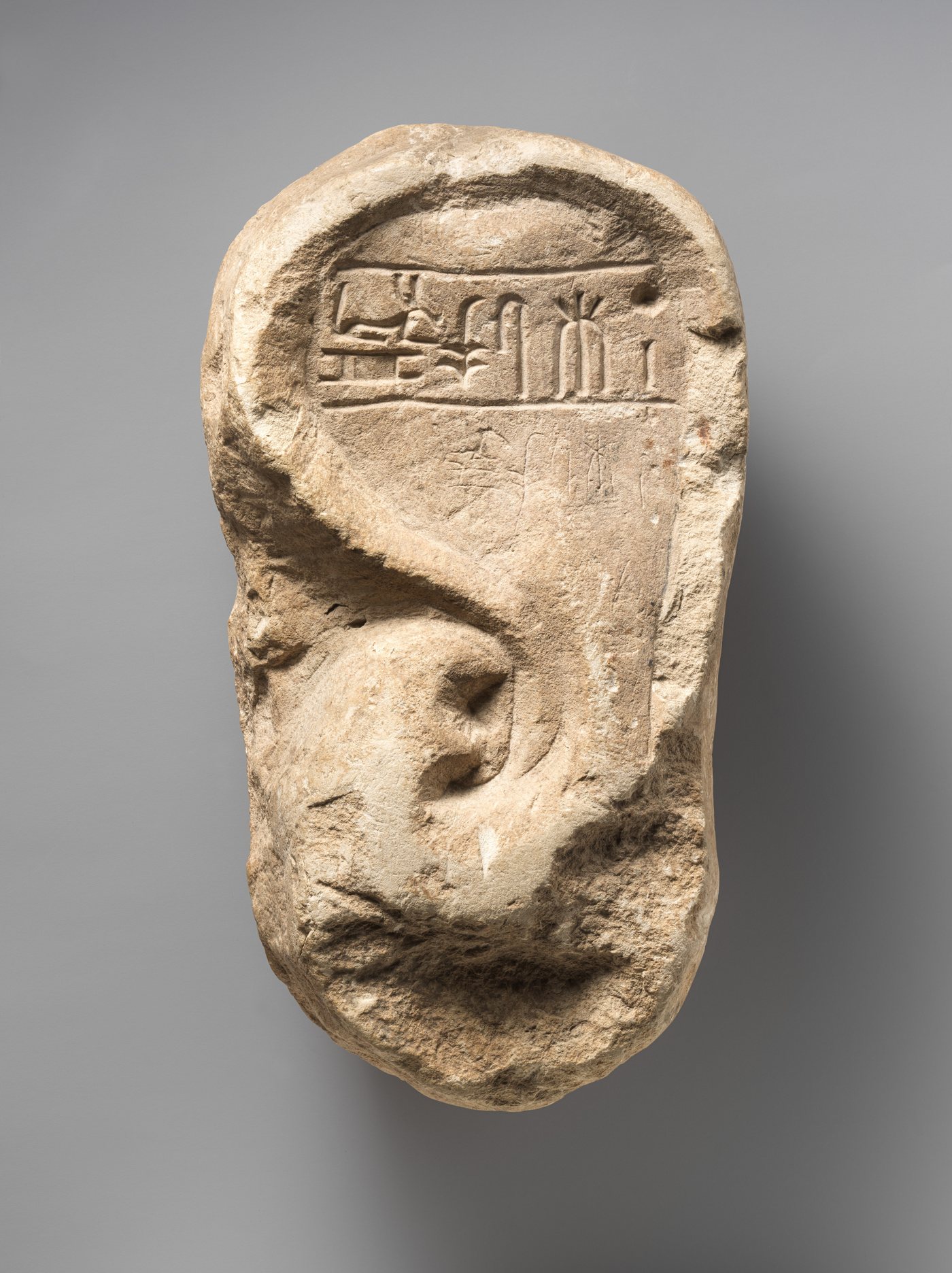
Someone is talking, and across the table a thought is already finishing their sentence. It says: I know where this is going. The ears work and the person has stopped listening. KTT counts that thought as a thought, noticed or not, even when it arrives as impatience. An Egyptian text, one of the oldest books of advice that survives, puts the whole matter in the heart. The sources read for this article are translations, notes and summaries. None of them tested what listening does in a person.
The text
The Instruction of Ptahhotep presents itself as the advice of a vizier of King Isesi of the Fifth Dynasty, a man near retirement who wants to pass his position and his wisdom to his son. The only complete copy is the Prisse Papyrus, written in the Twelfth Dynasty, about 1991 to 1781 BCE. It was found at Luxor in 1847 and is in Paris. Egyptologists consider it one of the hardest Egyptian texts to translate. Miriam Lichtheim argued that the attribution to the old vizier may be fictional.
Hearing and listening
The final section praises hearing. It separates hearing from listening. In Lichtheim’s translation, “It is the heart which makes of its owner a listener or a non-listener.” The word for heart is ib, which in Egyptian covers the middle, interior, intelligence, thought, attention, intention and will. Ptahhotep says that hearing enters the hearer, and the hearer becomes one who is heard. Another maxim says that a man in distress wants to wash his heart more than he wants to win his case, and that a good hearing calms the heart even when the request cannot be granted.
What the heart does here
In this text, the thought that decides is not the one in the ears. The heart turns a hearer into a listener or not. It is the same heart that, elsewhere in the text, is told to be patient while a petitioner empties out what he had planned to say.
KTT reads the finishing thought, “I know where this is going,” as the heart choosing not to listen. That is KTT’s reading, and the text does not say it in these words.
What is not known
Who wrote the text, and when, is not settled. The old vizier may be a literary figure.
Whether a thought like “I know where this is going” was what the Egyptians meant is not known. The text describes a heart that listens or does not, and it does not describe the thought.
How the Egyptian ib is best translated is also open. Translators render it with several words, and the text is hard.