
The Floating Person
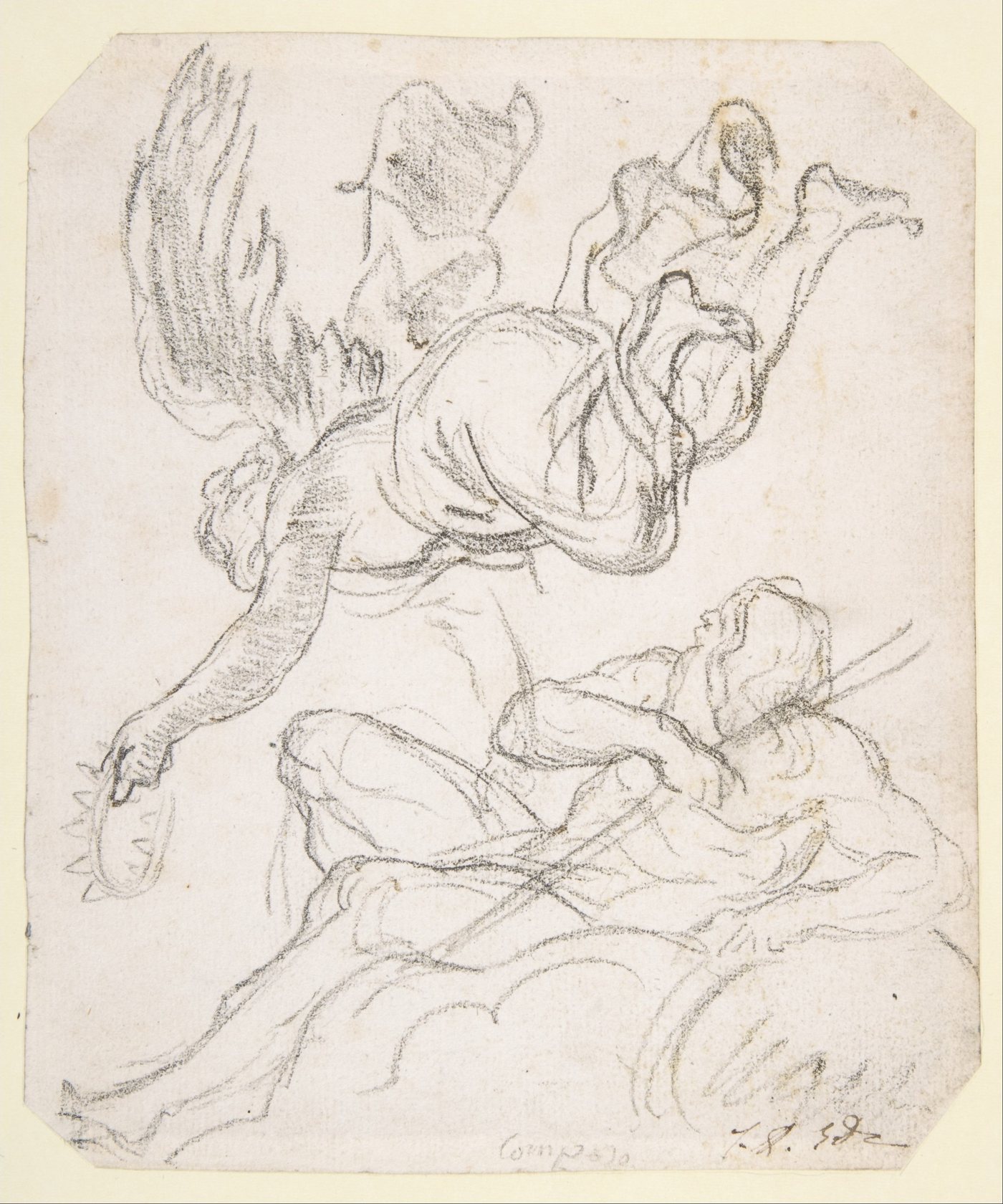
Imagine a person made all at once, fully formed, hanging in empty air. Nothing touches the skin. Nothing is seen or heard. A thought arrives that needs no outside help: I am. KTT counts that as a thought, noticed or not, even if it comes as nothing more than a plain sense of being. The Persian thinker Ibn Sina, known in Europe as Avicenna, used the scene about a thousand years ago. The sources read for this article are encyclopedias and scholarly summaries. The scene is a thought experiment and has not been tested.
The scene
Avicenna (about 980 to 1037) was born near Bukhara and became both a physician and a philosopher. In the opening part of his treatise on the self, the nafs, in the Book of the Cure (Kitāb al-Shifāʾ), he asks a reader to picture a person created in perfect condition, suspended in the air, with every sense switched off. The limbs do not touch. Nothing is seen or heard.
The claim
Such a person, Avicenna argues, could not affirm that he has a body, because he feels none. He could still affirm that he exists, because there is a subject doing the thinking. Scholars read the argument as saying that knowing oneself does not come through the senses. Many place it near Descartes’ “I think,” which came about six hundred years later.
How it is read
Scholars disagree about what the argument proves. Some read it as a proof that the self is separate from the body. A 2023 article in Frontiers in Psychology reads it more narrowly, as a claim about the most basic form of self-experience, the sense of being someone before any reflection. Another study notes that the argument’s subject is not specified as male in the original.
What is not known
Whether a person with every sense removed could have a thought, or hold the thought “I am,” is not known. The scene is imagined, and no one has run it.
Whether Avicenna meant the scene as proof or as a way to point at something is debated among scholars.
Whether the thought “I am” is found or made by the person who has it is also open. The sources read here describe the argument and do not measure anything.