
The Thought Before the Word
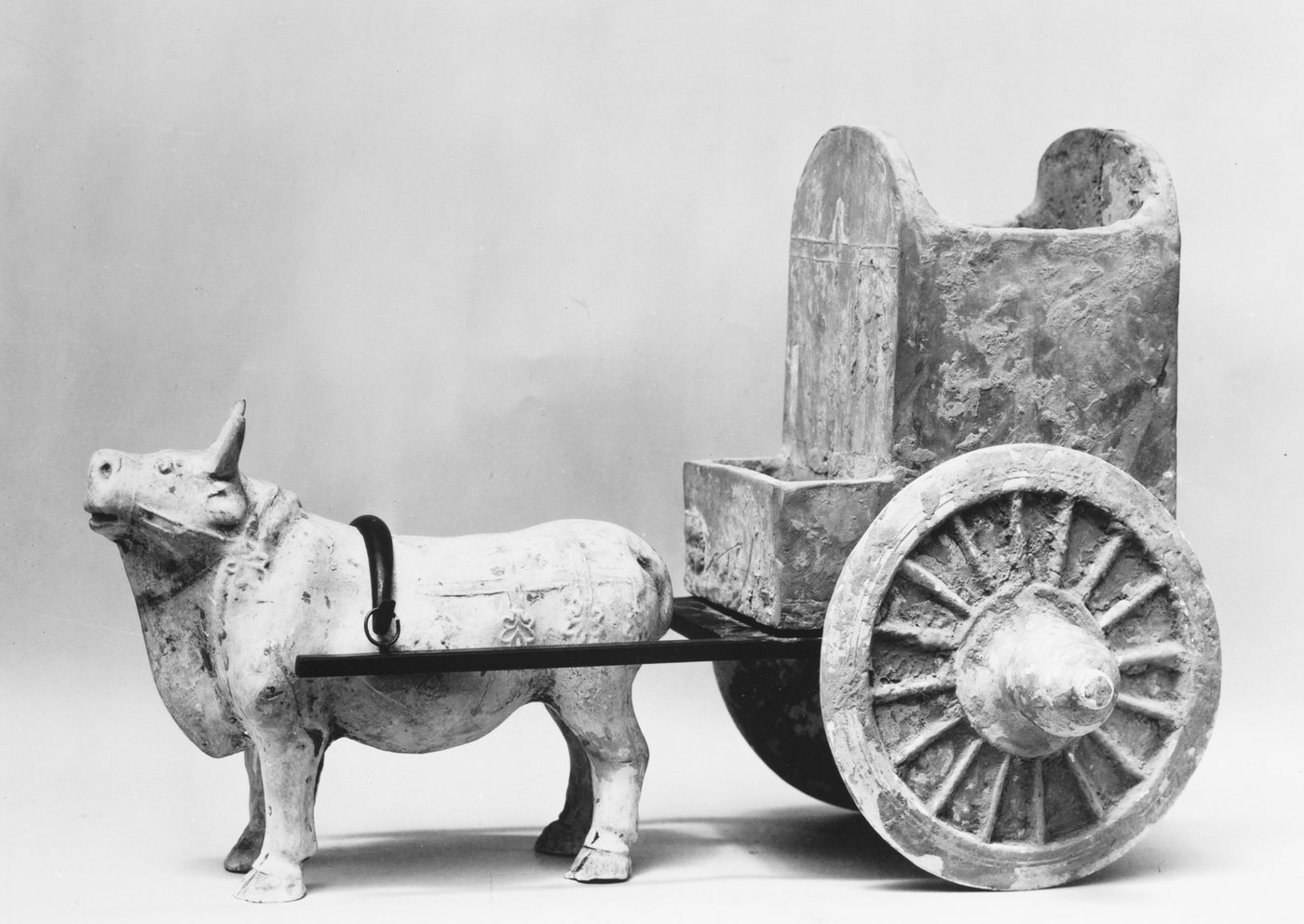
A sharp word is already out of the mouth. Just before it, something small was there: a thought, hot and fast, that nobody had looked at. KTT counts that thought as a thought, noticed or not, even when it arrived as a tightening in the jaw. The first two verses of the Pāli Dhammapada, a collection of Buddhist sayings, are about what comes before the word and the deed. The sources read for this article are translations, commentary and a forum discussion among translators. None of them tested what the verses claim.
The first line, five ways
The line in Pāli is manopubbaṅgamā dhammā, manoseṭṭhā manomayā. Translators do not agree on what it says.
| Translator | The line |
|---|---|
| Buddharakkhita | “Mind precedes all mental states.” |
| Nārada | “Mind is the forerunner of (all evil) states.” |
| Ṭhānissaro | “Phenomena are preceded by the heart.” |
| Carter and Palihawadana | “Preceded by perception are mental states.” |
The word mano is rendered as mind, heart or perception. The word dhammā is rendered as states, phenomena or things. A forum discussion among translators calls mano a general, neutral word that is convenient for the passage.
What follows the word
The second half of each verse is a plain cause and effect. If a person speaks or acts with a corrupted mano, suffering follows, like the wheel that follows the foot of the ox. If a person speaks or acts with a clear one, happiness follows, like a shadow that never leaves. The text names speaking and acting. Nothing in the verses says that a thought shapes the outer world, and the verses do not say that thoughts are the only cause of suffering. A commentary attributed to Buddhaghosa, from the fourth or fifth century, gives a story for each verse. For verse one it is the story of a monk who went blind.
What it asks
A thought arrives before the word. The quality of that thought, clouded or clear, comes before what the mouth and hands do. That is the claim in the verses.
What is not known
What the Pāli dhammā covers is not settled. Some translators take it as mental states, others as all things. Popular readings that say thought creates the world go further than the text, which speaks of speaking and acting.
When the verses took their present form is also not settled. The Pāli Dhammapada is old, and the commentary that tells the stories is later.
Whether the quality of a thought before an act can be told in the moment, by the person who has it, is open. The verses assume it can.