
The Self Known and the Self Seen
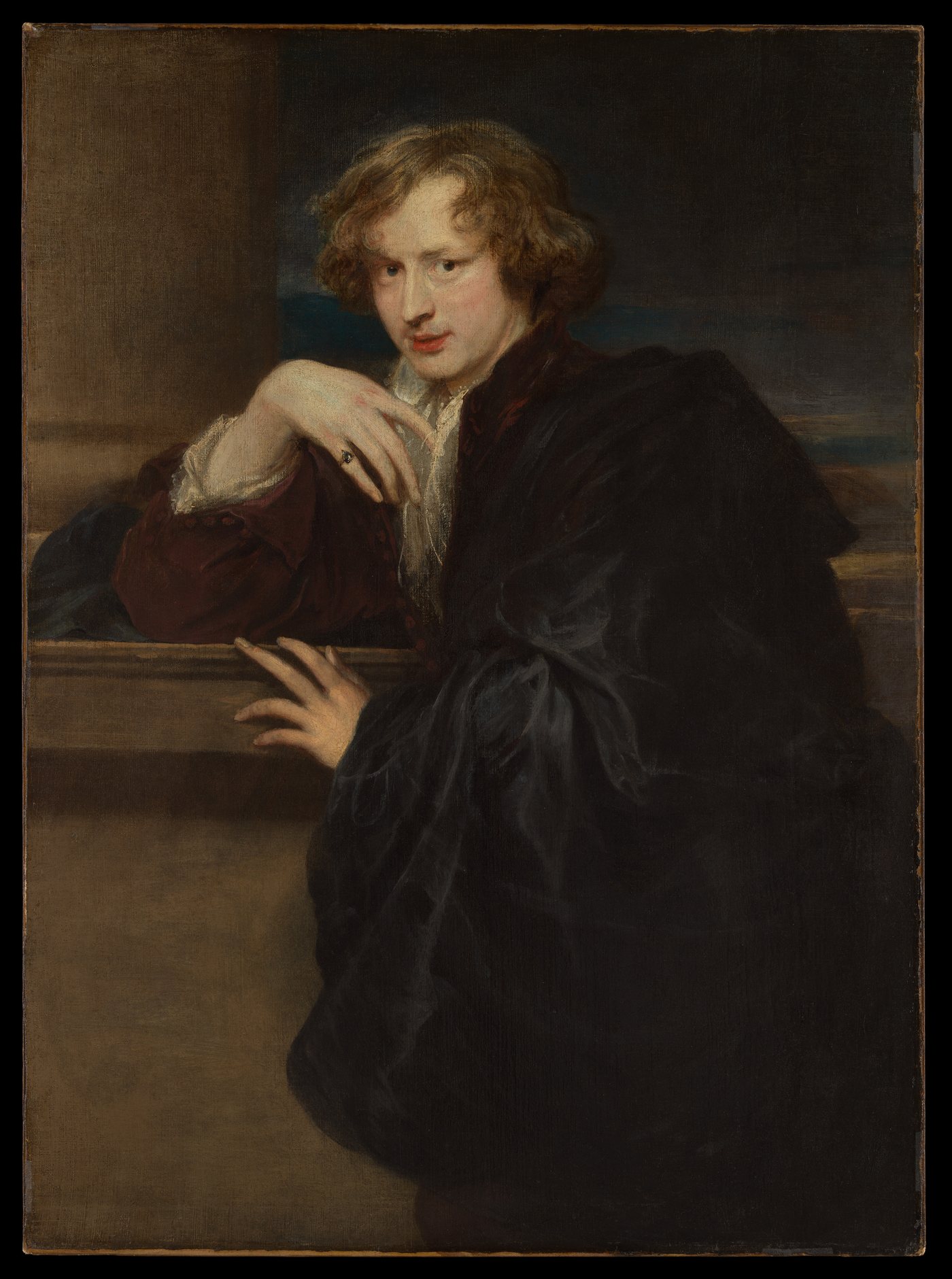
Two reports describe the same person. One is written from inside: I am bad at presentations. The other is written by a friend: that was clear. KTT counts the first as a thought, noticed or not, even when it arrives as a flinch before the slides. Research has asked which report is more accurate, and the answer depends on what is being judged. The studies read for this article did not measure thoughts, only ratings of traits.
The report from inside
The thought has one advantage that no one else has: it is there when nothing is visible. In 2010, Simine Vazire proposed the self-other knowledge asymmetry model. Traits that are hard to observe from outside, such as neuroticism, are known better by the self. Her study had 165 participants. Each was rated by the self, by four friends and by up to four strangers, and the ratings were compared with criteria from behavioral tests. The self was the best judge of neuroticism-related traits. That fits the idea that the inside report sees what stays hidden.
The report from outside
For traits that are strongly evaluative, such as intellect, the same study found that friends were the best judges. People of all perspectives were equally good at judging extraversion-related traits. The model proposes that self-views of highly evaluative traits are distorted by motivation. So the thought “I am bad at presentations” may come from where the self is least reliable.
An old practice of checking
A passage in the Analects, from the Chinese tradition, records how the philosopher Zeng examined himself each day. In James Legge’s public-domain translation, he asked three things: whether he had been faithful in business done for others, sincere with friends, and had practised his teacher’s instructions. Each question is about conduct toward other people. In that practice, self-knowledge is checked against what others receive. The Analects were compiled by later Confucian scholars, so the account is not a first-hand record.
What is not known
Whether the same split holds for thoughts, and not only for traits, is not known. The study measured ratings of personality traits.
Whether a friend’s report changes the thought it contradicts is open. No study read here tested that.
Whether the pattern holds across cultures is also open. Details of the samples in Vazire’s study were not read for this article.