
The Perfect Thought
The draft is finished. The thought reads it once and finds the flaw. It always finds one. It says: not good enough yet. KTT counts it as a thought, noticed or not, even when it arrives as a refusal to press send. Research calls the pattern perfectionism. The studies read for this article did not test whether a thought comes first.
Two demands
The thought has two voices. One speaks from inside: not good enough yet. The other speaks from outside: they will see every flaw. Researchers separate these. Self-oriented perfectionism is a demand on oneself. Socially prescribed perfectionism is the sense that others demand it. A third kind, other-oriented, is a demand on other people.
In 2019, Thomas Curran and Andrew Hill combined 164 samples and 41,641 American, Canadian and British college students who completed the same questionnaire between 1989 and 2016. All three kinds rose over the period. The sense that others are more demanding rose most. The studies compared age groups across years, so they show a trend and not a cause. They cover only three countries.
An old answer from Japan
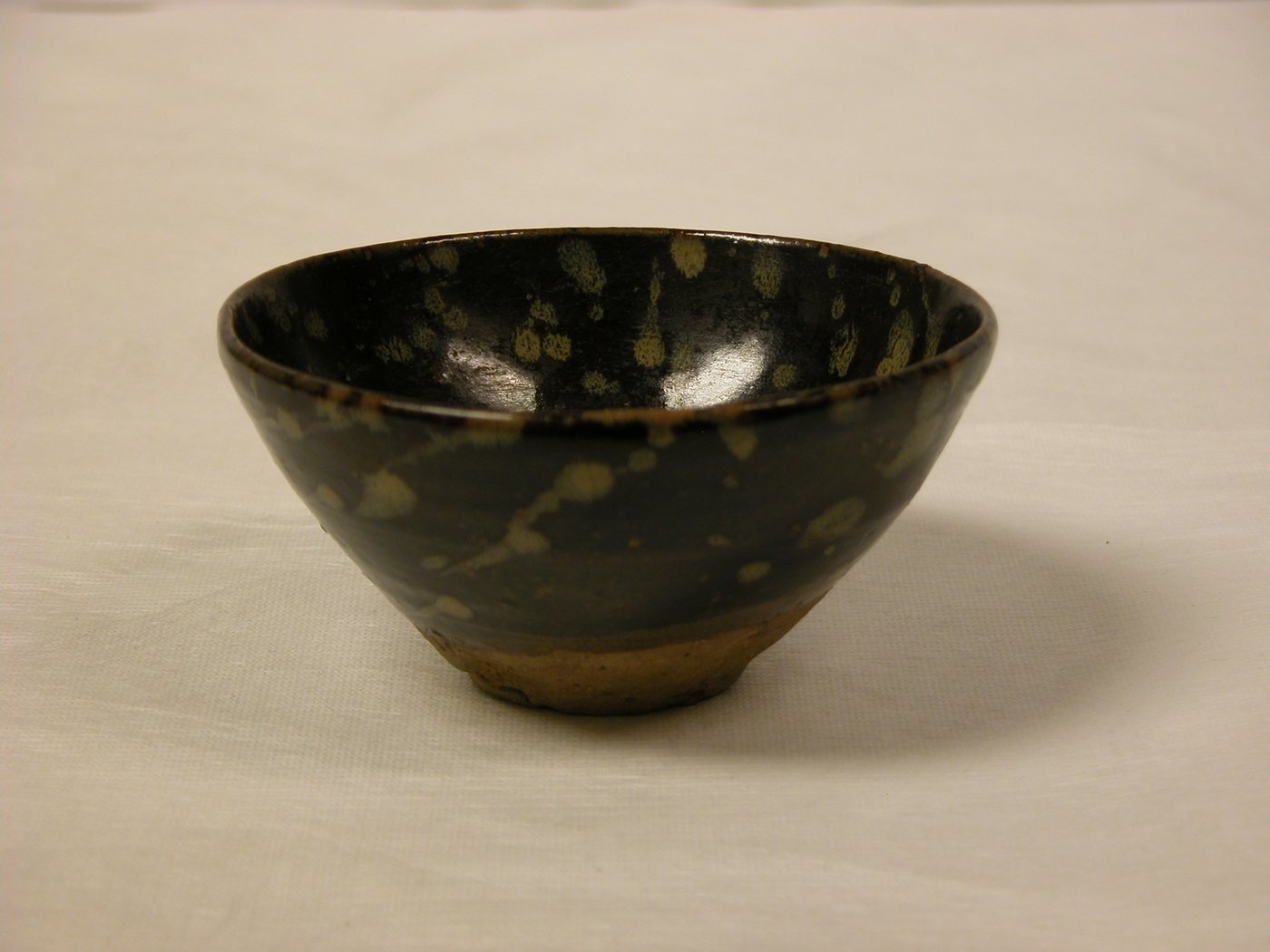
A third thought answers the first two: the crack is part of it. It has a long tradition behind it. The aesthetic called wabi-sabi finds beauty in what is imperfect, impermanent and incomplete. It took shape in the Japanese tea ceremony, through masters such as Murata Jukō in the fifteenth century and Sen no Rikyū in the sixteenth. Jukō used simple, rough and sometimes damaged pottery where costly Chinese ceramics had been used. Rikyū served the two most powerful warlords of his day and pared the ceremony down.
A well-known story has Rikyū sweeping a garden spotless and then shaking a tree to let a few leaves fall. It comes from tea manuals compiled after his death, not from anything he wrote. It may be legend. The aesthetic itself is well documented. Whether the same thought works as a remedy for perfectionism has not been tested in the studies read here.
What is not known
Whether the thought comes before the refusal to finish or after it is not known.
Whether the rise in perfectionism comes from thoughts, from circumstances, or from both is open. The 2019 study describes a trend.
Whether a thought drawn from wabi-sabi changes anything is also open. It is a cultural idea, not an intervention that was studied. Perfectionism that causes lasting distress can call for professional care. This article describes thoughts, not treatment.
What each thought says
- The inside voice measures the draft against a standard of its own.
- The outside voice measures the draft against an imagined audience.
- The old answer measures nothing and keeps the crack.