
The Akan Word for Thinking
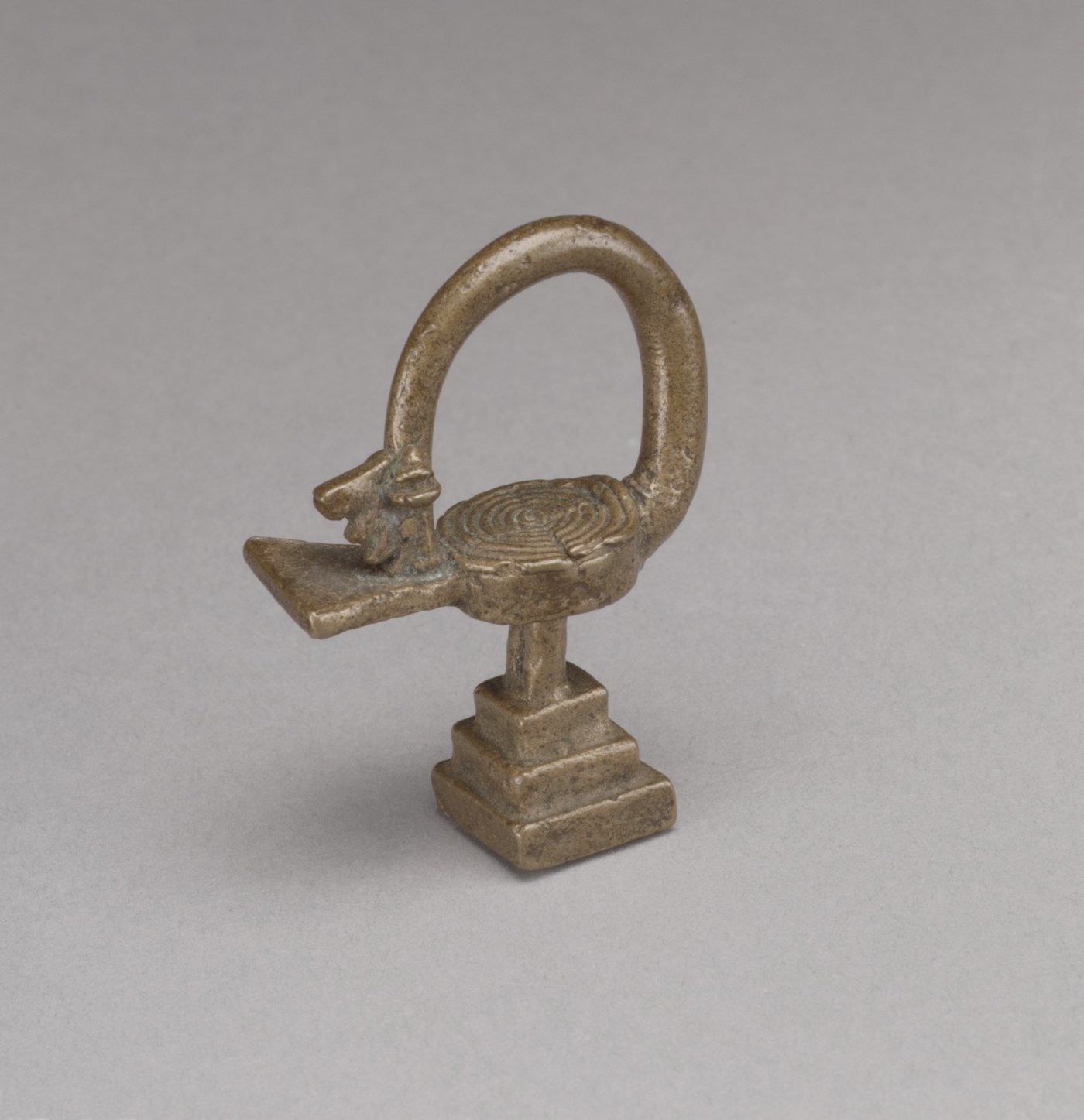
A translator writes the Akan word adwene on a page. An English word arrives beside it at once: “mind.” A thought comes with it and says: these are the same thing. KTT counts that arriving thought as a thought like any other, noticed or not, even when it feels like a plain fact. The philosopher Kwasi Wiredu spent part of his career checking thoughts of exactly this kind. The sources read for this article are philosophical essays and summaries. They describe how an Akan word is used, and they did not test what happens in a thinker.
What the word says
Adwene is the Akan word for thought and thinking. The verb is adwen, “to think,” and a thinker is an odwendwenfo, according to the philosopher Kwame Gyekye. He adds that adwen can be used interchangeably with nyansa, “wisdom,” as the capacity for philosophical thinking. Both words name something a person does, with a capacity behind it.
Where the translation slips
In a 1983 essay, Wiredu argued that the Akan do not count “mind” among the things that make up a person. The word for a person’s inner self, okra, is separate from adwene. Translators often render okra as “soul,” and Wiredu warned against that too. In his reading, adwene names a capacity that depends on how the brain works, not a hidden substance. That is a different picture from the one the English word carries with it.
A disagreement inside the thinking
Gyekye reads it another way. For him, thinking is a function of the sunsum, usually translated as “spirit.” A later review of the debate describes both philosophers as using the same Akan terms to defend different positions. Both worked from Akan language and thought. Neither reading is simply “the Akan view.”
Why Wiredu checked
In 1980, Wiredu introduced the phrase conceptual decolonisation. The idea is simple. When people think in a borrowed language, borrowed assumptions can arrive with the words. The essay on adwene is one of his examples. He limited it to the Akan of Ghana, so it is not a claim about all of Africa.
What is not known
Whether the thought “these two words are the same” comes before the translator checks it, or only afterward, is not known. The sources did not test it.
How people who speak Akan today use adwene is also not known. The sources read here are accounts by philosophers, not surveys of speakers.
The disagreement between Wiredu and Gyekye is still open. It cannot be settled by the words alone.